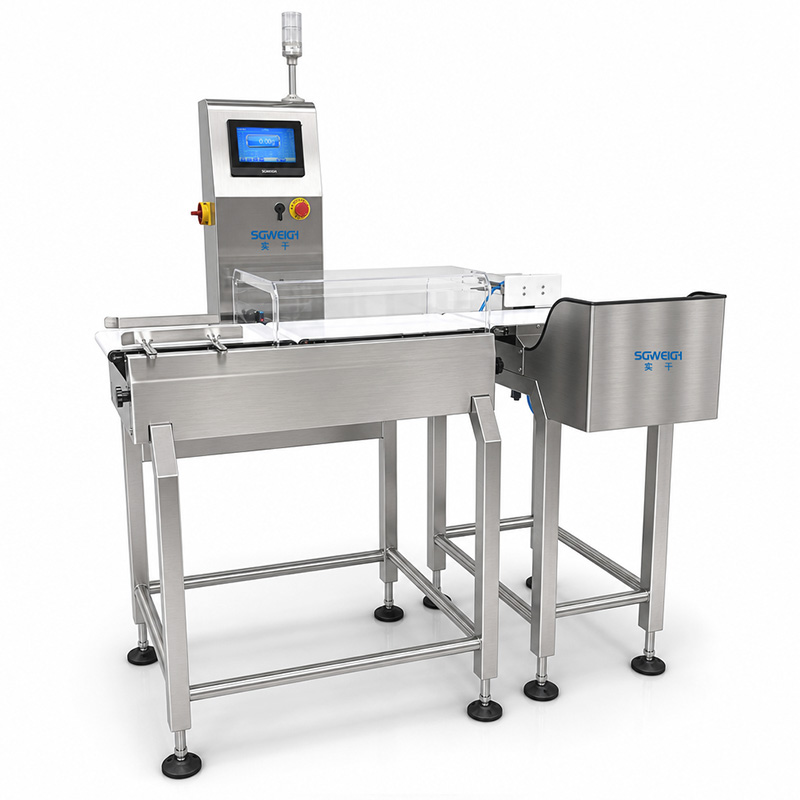
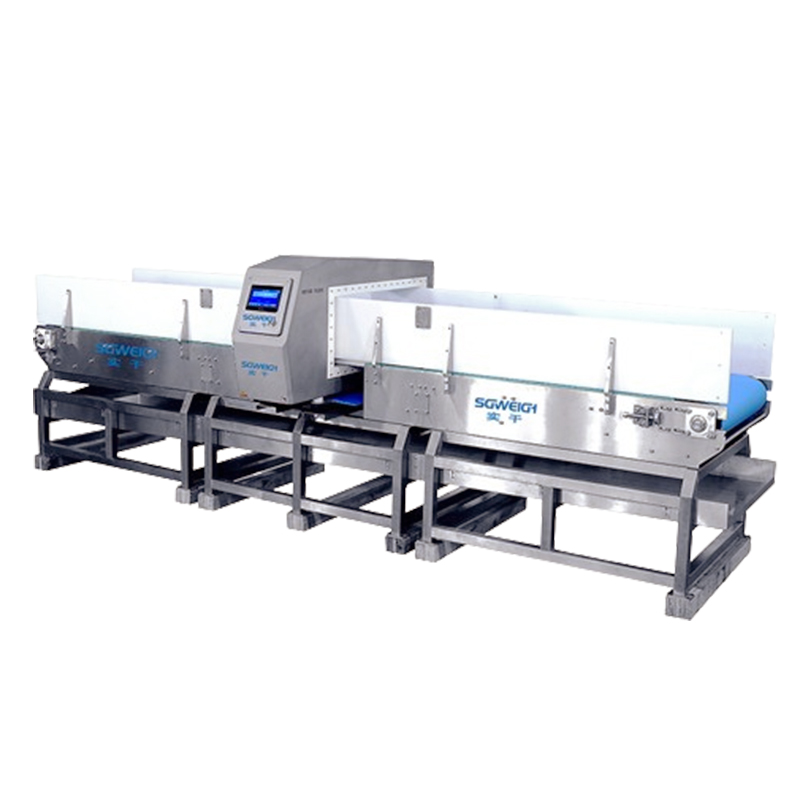
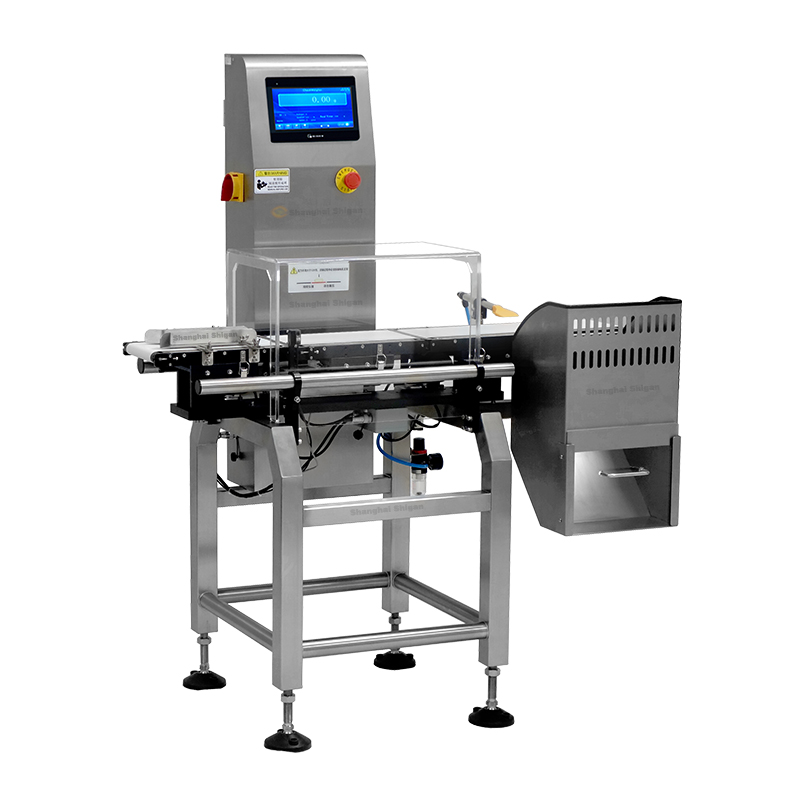
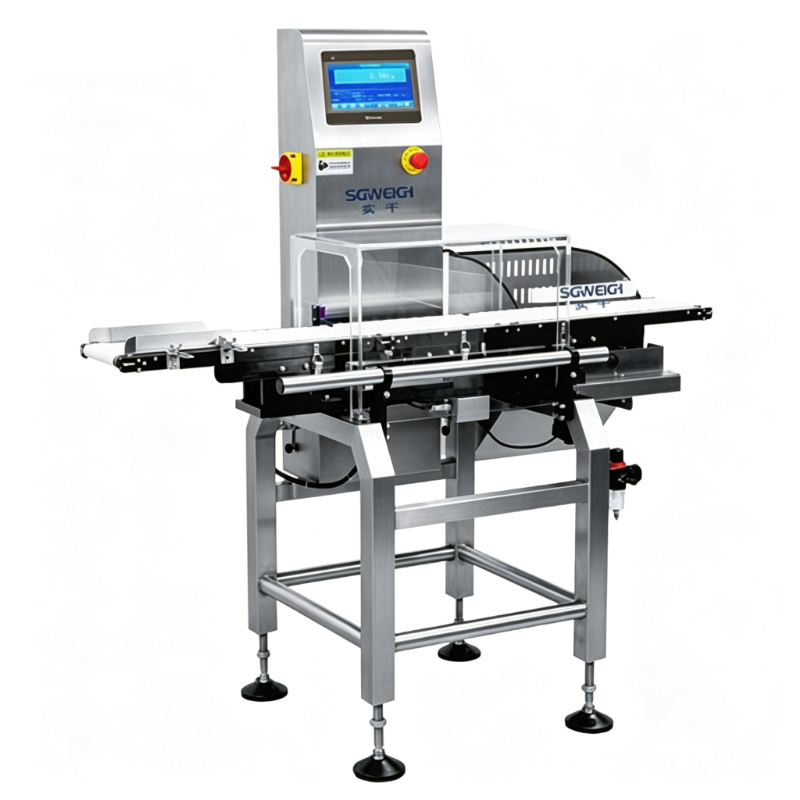
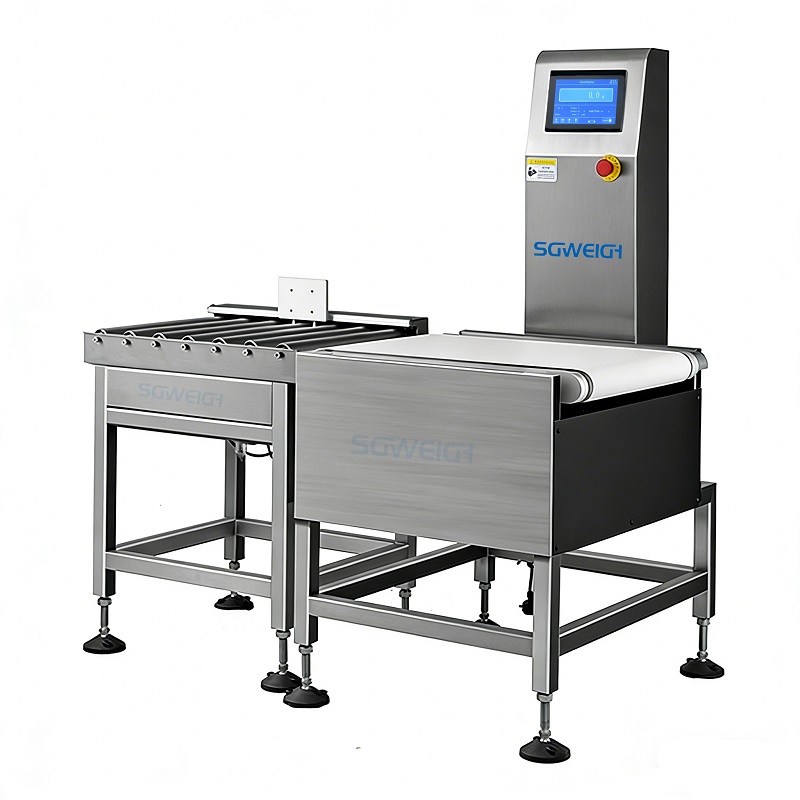
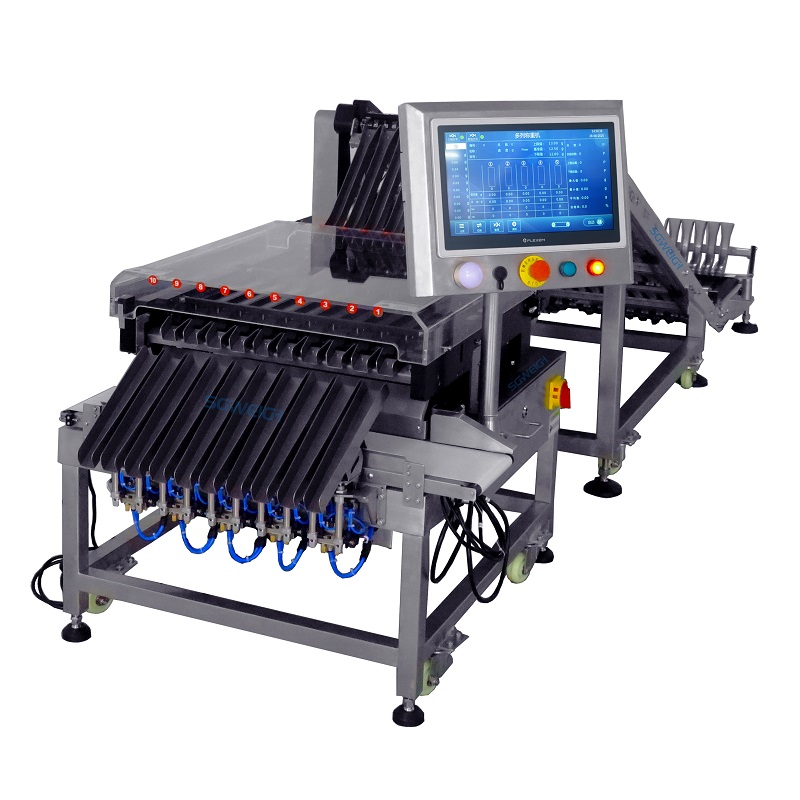
In today’s highly automated manufacturing environment, automatic checkweigher machines have become an essential part of modern production lines. From food packaging and pharmaceuticals to cosmetics and logistics, checkweigher machines help manufacturers ensure accurate product weight, improve quality control, reduce waste, and comply with industry regulations.
As businesses continue to pursue higher production efficiency and smarter automation, the demand for dynamic checkweighers and inline weighing systems continues to grow worldwide.
This article explains the main applications of checkweighers, the industries that rely on them most, and why they are critical for modern manufacturing operations.
What Is a Checkweigher?
A checkweigher is an automatic weighing machine used to inspect the weight of products while they move along a conveyor belt during production. It compares the actual product weight with preset standards and automatically rejects products that are overweight or underweight.
Unlike static scales, dynamic checkweighers can perform high-speed weighing without interrupting production flow.
Main Functions of a Checkweigher
1. Automatic product weight inspection
2. Underweight and overweight detection
3. Quality control verification
4. Production line monitoring
5. Product sorting and classification
6. Compliance with packaging regulations
7. Reducing product giveaway
Modern industrial checkweighers are often integrated with metal detectors, labeling machines, packaging systems, and factory automation software.
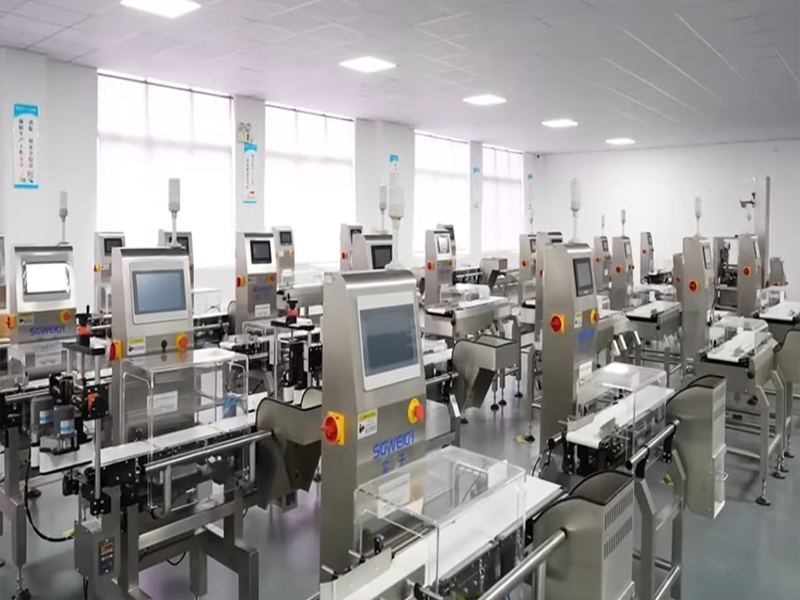
Main Applications of Checkweighers
Checkweighers are used in many production processes where accurate product weight is essential.
1. Product Weight Verification
The most common application is verifying whether packaged products meet required weight specifications.
Manufacturers use automatic checkweighers to ensure:
Products are not underfilled
Packaging complies with legal standards
Customers receive consistent quantities
This is especially important in industries with strict quality regulations.
Common Products:
Snack foods
Bottled beverages
Frozen foods
Pharmaceutical tablets
Cosmetic products
2. Reducing Product Giveaway
Overfilling products increases production costs. A high-precision checkweigher helps manufacturers optimize filling accuracy and reduce unnecessary material waste.
For example:
Food manufacturers reduce ingredient loss
Pharmaceutical companies improve dosage accuracy
Chemical companies minimize packaging waste
Reducing even a small amount of product giveaway can save significant money over time.
3. Quality Control and Compliance
Many industries must comply with strict weight regulations and quality standards.
Checkweighers help companies meet:
HACCP standards
GMP regulations
FDA compliance
International packaging laws
By continuously monitoring product weight, manufacturers can quickly identify production issues before large batches become defective.
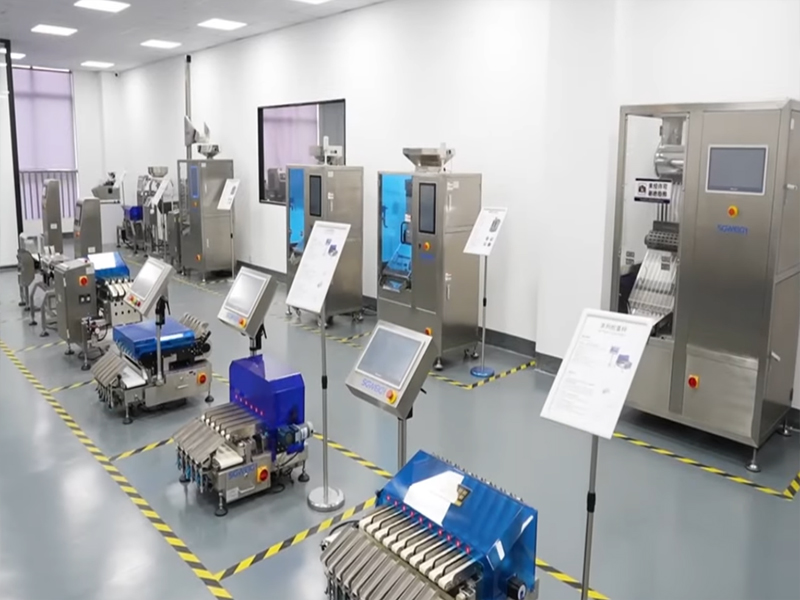
4. Automatic Reject and Sorting Systems
Modern conveyor checkweighers can automatically remove products that fail inspection.
Common reject methods include:
Air blast rejectors
Push-arm reject systems
Drop reject mechanisms
Swing-arm rejectors
Some systems also classify products into multiple weight categories for sorting applications.
5. Production Data Monitoring
Smart checkweigher systems can collect production data in real time.
Manufacturers use this data to:
Analyze production efficiency
Monitor product consistency
Improve filling machine performance
Reduce downtime
Advanced checkweighers can connect with ERP systems and factory automation software for intelligent manufacturing management.
Main Industries That Use Checkweighers
Checkweighers are widely used across many industries because nearly every packaged product requires accurate weight verification.
1. Food Industry
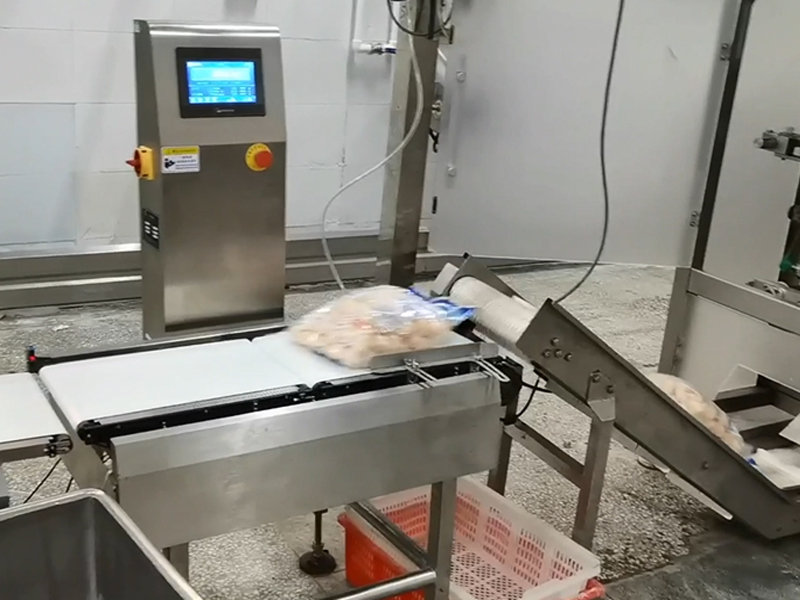
The food industry is one of the largest users of automatic checkweighers.
Common Applications:
Snack packaging
Frozen food production
Meat processing
Seafood packaging
Bakery products
Dairy products
Food manufacturers rely on dynamic weighing systems to ensure:
Consistent package weight
Food safety compliance
Reduced product waste
Faster packaging line operation
2. Pharmaceutical Industry
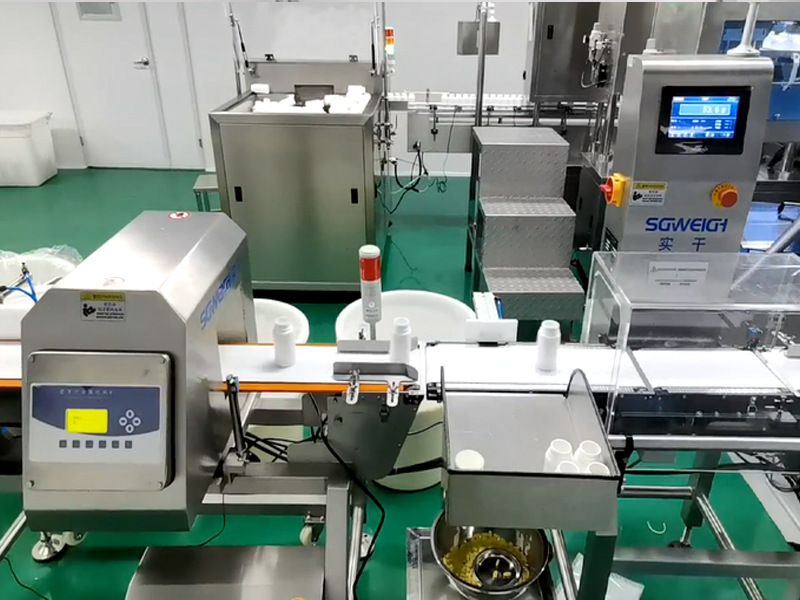
Pharmaceutical manufacturing requires extremely high weighing accuracy.
Checkweighers are used for:
Tablet inspection
Capsule weighing
Blister packaging verification
Medicine bottle inspection
Even small weight deviations may indicate missing tablets or incorrect dosages.
Pharmaceutical checkweighers are often combined with:
Vision inspection systems
Metal detectors
Serialization systems
3. Beverage Industry
Beverage companies use checkweighers to inspect:
Bottled water
Soft drinks
Juice cartons
Alcoholic beverages
Canned drinks
These systems ensure proper fill levels and prevent leakage problems.
High-speed beverage checkweighers can inspect hundreds of products per minute.
4. Cosmetics Industry
Cosmetic manufacturers use checkweighers for:
Cream containers
Lotion bottles
Makeup packaging
Shampoo products
Weight inspection helps maintain brand consistency and customer satisfaction.
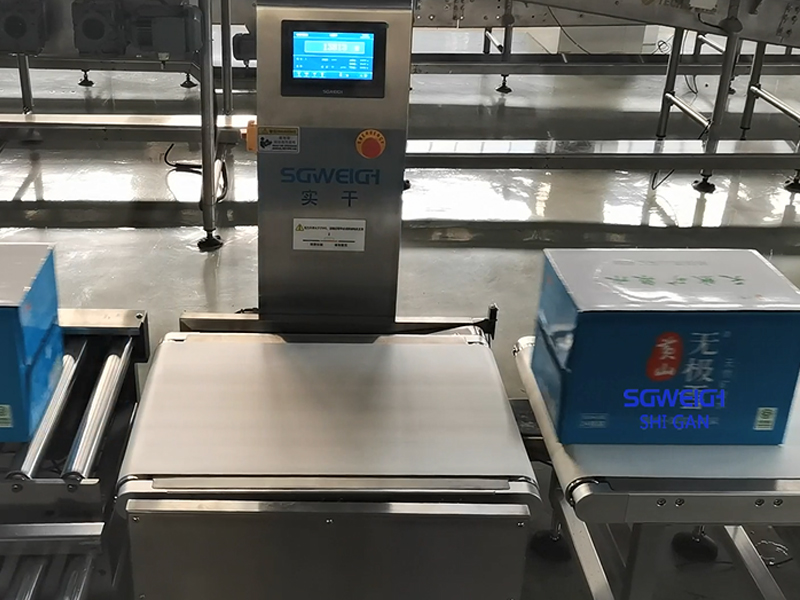
5. Logistics and Warehousing Industry
In logistics centers, checkweighers help verify:
Parcel weight
Shipping accuracy
Sorting operations
E-commerce package management
Automatic weighing systems improve warehouse automation and shipping efficiency.
6. Chemical Industry
Chemical manufacturers use industrial checkweighers for:
Powder products
Fertilizer bags
Industrial chemicals
Granule packaging
These systems help improve packaging consistency and production safety.
7. Agricultural Industry
Agricultural companies use checkweighers for:
Seed packaging
Animal feed bags
Fertilizer products
Grain packaging
Heavy-duty checkweighers are commonly used in these environments.
Advantages of Using Checkweighers
Installing an inline checkweigher system offers several important benefits.
Improved Product Quality
Consistent product weight improves customer satisfaction and brand reputation.
Increased Production Efficiency
Automatic inspection reduces manual labor and speeds up production.
Reduced Waste and Costs
Accurate filling minimizes overfilling and material loss.
Regulatory Compliance
Manufacturers can meet strict international packaging regulations.
Real-Time Monitoring
Modern smart checkweighers provide live production data and performance analysis.
Future Trends in Checkweigher Technology
As Industry 4.0 develops, checkweigher technology continues to evolve.
Emerging Trends:
AI-powered inspection systems
IoT-connected smart checkweighers
Cloud-based production monitoring
Higher speed and precision
Integrated vision inspection
Automated production optimization
Future checkweighers will become more intelligent, efficient, and fully integrated into smart factory systems.
Checkweighers are essential equipment in modern automated production lines. Their main applications include product weight verification, quality control, sorting, compliance inspection, and production monitoring.
Industries such as food, pharmaceuticals, beverages, cosmetics, logistics, agriculture, and chemicals all rely heavily on dynamic checkweigher systems to improve efficiency and maintain consistent product quality.
As manufacturing automation continues to grow, the importance of high-precision checkweighers will continue increasing across global industries.