How Accurate Is a Checkweigher?
Accuracy is one of the most important factors when selecting a automatic checkweigher for your production line. Whether you are in food processing, pharmaceuticals, or packaging, even small weight deviations can impact product quality, compliance, and profitability.
This article explains how accurate an industrial checkweigher can be, what affects its performance, and how to achieve the best results in real production environments.
What Is Checkweigher Accuracy?
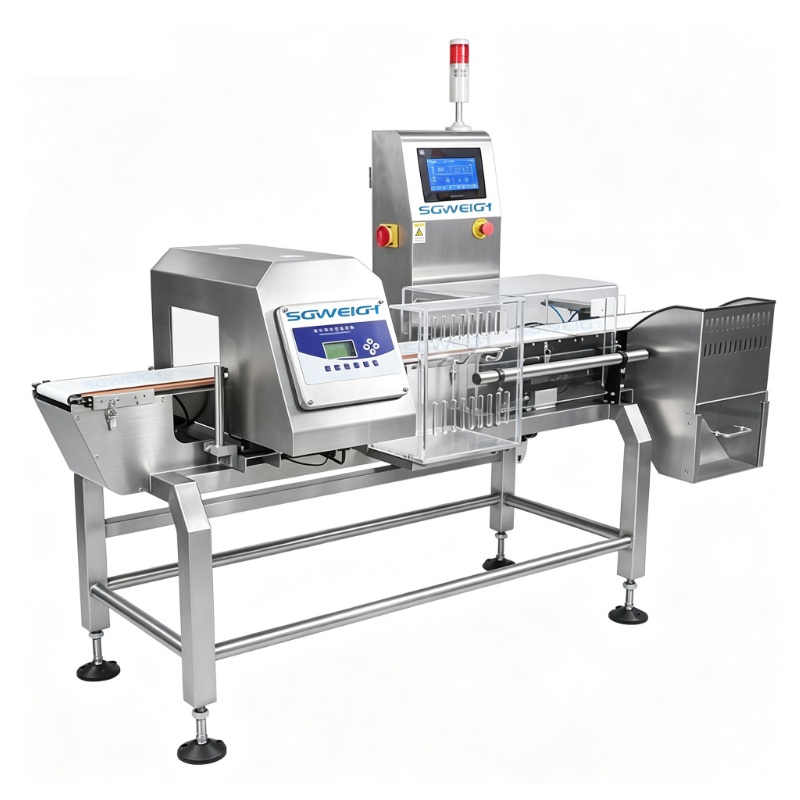
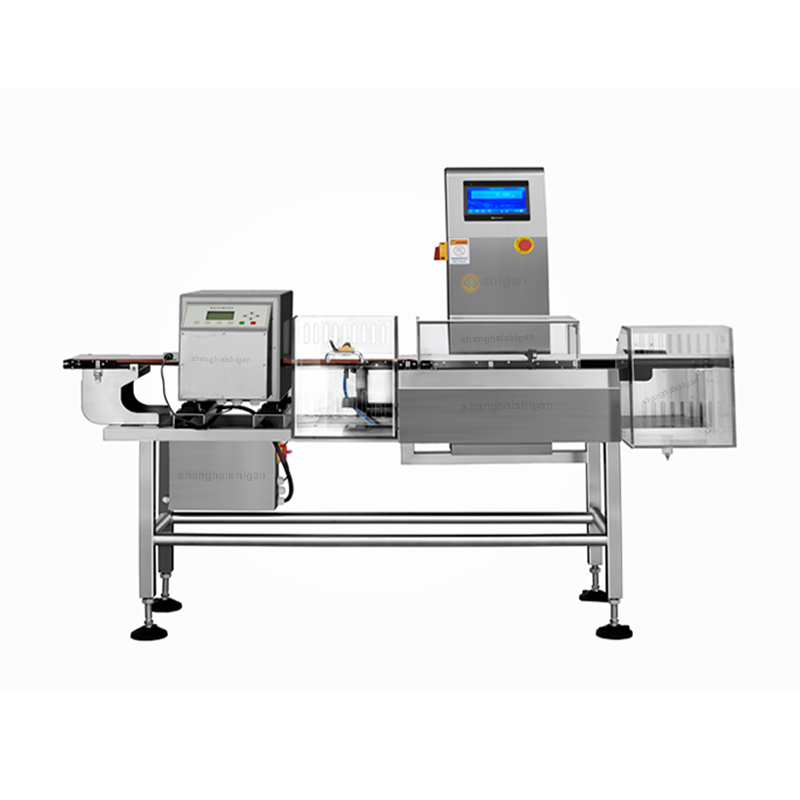
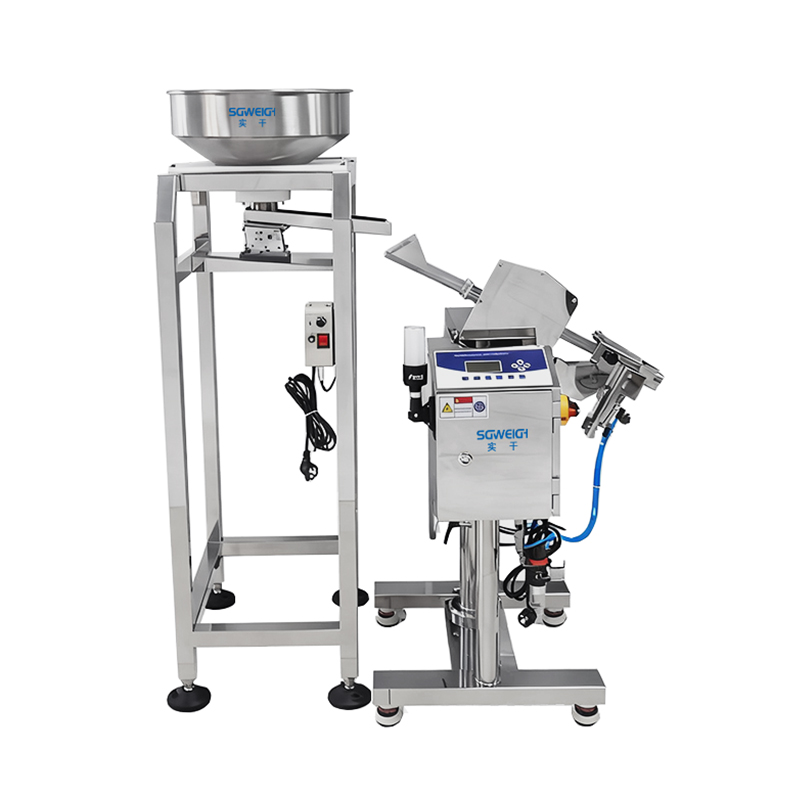
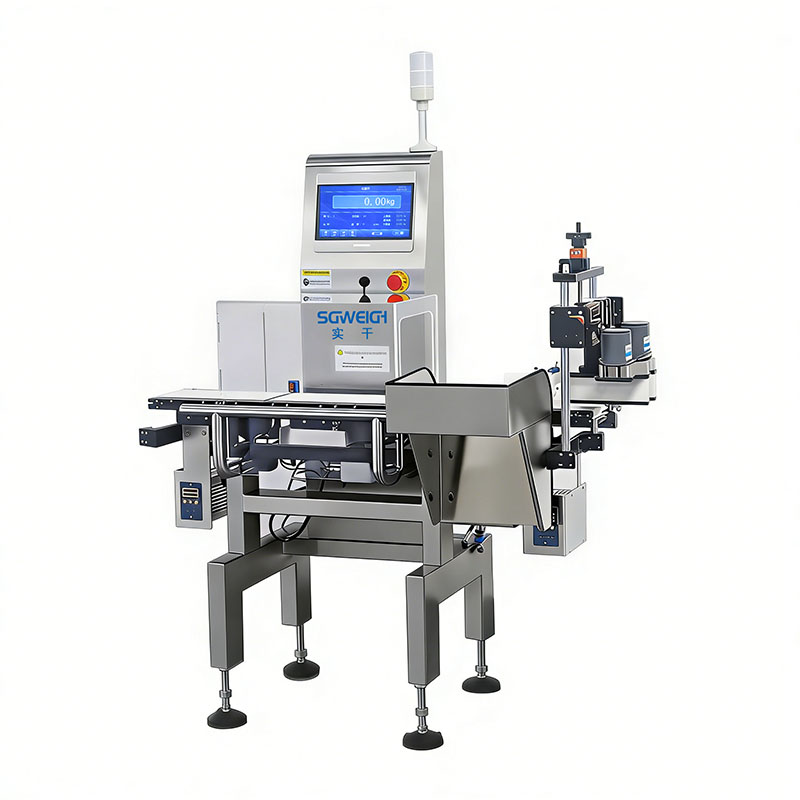
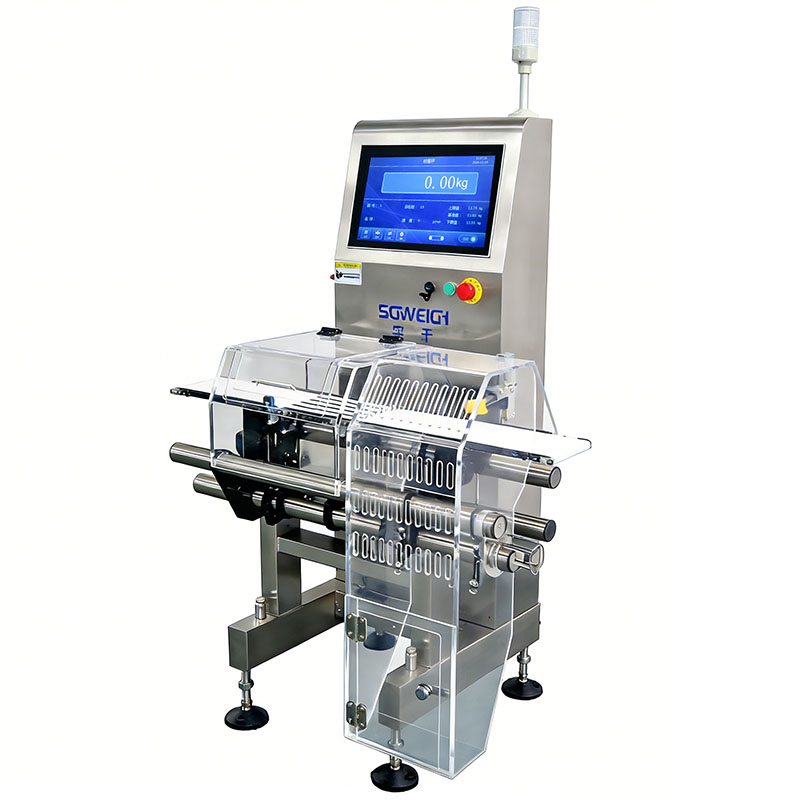
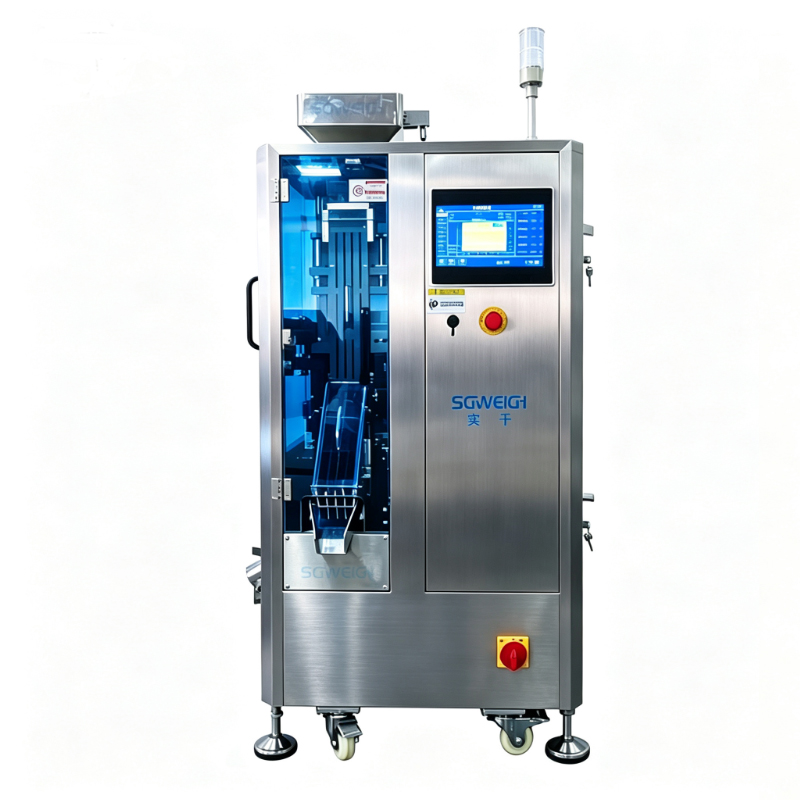
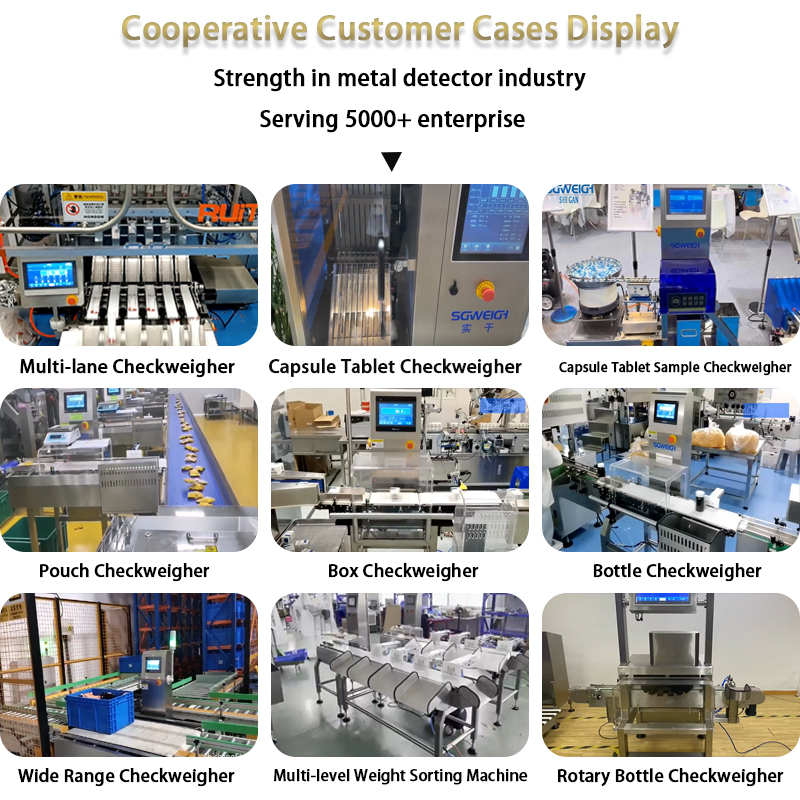
Inline checkweigher machine accuracy refers to how closely the measured weight of a product matches its true weight. It is typically expressed as a tolerance range, such as ±0.1g, ±0.5g, or ±1g, depending on the application and system configuration. SGWEIGH’s latest capsule tablet checkweigher boasts an accuracy of 0.1-0.5mg, depending on the capsule tablet type and detection speed.
Modern checkweighers are designed to deliver high precision even at high speeds, making them essential for industries that require strict weight control.
Typical Accuracy Levels
The accuracy of a checkweigher varies based on product type, speed, and system design. Common ranges include:
Capsule tablet applications: ±0.1mg to ±0.5mg
High-precision applications: ±0.1g to ±0.3g
Standard industrial use: ±0.5g to ±1g
Heavy or bulk products: ±1g to ±5g
For pharmaceutical and small-packaging applications, ultra-high precision is often required, while larger products may allow wider tolerances.
Factors That Affect Checkweigher Accuracy
Several key factors influence the performance of a prduction line checkweigher:
1. Conveyor Speed
Higher speeds can reduce accuracy if the system is not properly optimized. Advanced systems are designed to maintain precision even at high throughput.
2. Product Characteristics
Shape, size, and stability of the product can impact measurement. Irregular or unstable items may cause slight variations.
3. Environmental Conditions
Vibration, airflow, temperature changes, and humidity can affect weighing performance.
4. Load Cell Quality
The load cell is the core component of a conveyor checkweigher. High-quality sensors provide more stable and precise measurements.
5. System Calibration
Regular calibration ensures that the system maintains consistent accuracy over time.
6. Product Spacing
Proper spacing between products on the conveyor helps avoid interference and improves measurement reliability.
How to Improve Checkweigher Accuracy
To achieve optimal performance, manufacturers should follow these best practices:
1. Ensure proper installation: Minimize vibration and external interference
2. Maintain consistent product flow: Avoid overcrowding on the conveyor
3. Perform regular calibration: Use certified test weights
4. Optimize conveyor speed: Match speed with product characteristics
5. Use advanced software: Enable automatic adjustments and filtering
Accuracy vs. Speed: Finding the Right Balance
There is often a trade-off between speed and accuracy. While high-speed systems increase production output, they require advanced technology to maintain precision.
Modern high speed checkweighers use intelligent algorithms and high-speed sensors to balance both factors, ensuring reliable results without slowing down production.
Why Accuracy Matters
Accurate checkweighing provides several critical benefits:
Regulatory compliance: Meets legal weight requirements
Reduced product giveaway: Minimizes overfilling
Quality assurance: Ensures consistent product standards
Cost control: Reduces waste and improves profitability
Customer satisfaction: Maintains trust and brand reputation
Applications Requiring High Accuracy
Industries that demand high checkweigher accuracy include:
Pharmaceuticals: Precise dosage control
Food and beverage: Consistent portioning
Cosmetics: Uniform product packaging
Electronics and components: Weight verification for small parts
Conclusion
Standard checkweigher accuracy typically ranges from ±0.1g to ±1g, depending on the application and system design. By understanding the factors that influence accuracy and implementing best practices, manufacturers can achieve reliable and consistent performance.
A well-optimized checkweigher not only ensures compliance and product quality but also improves efficiency and reduces operational costs—making it a vital component of modern production lines.