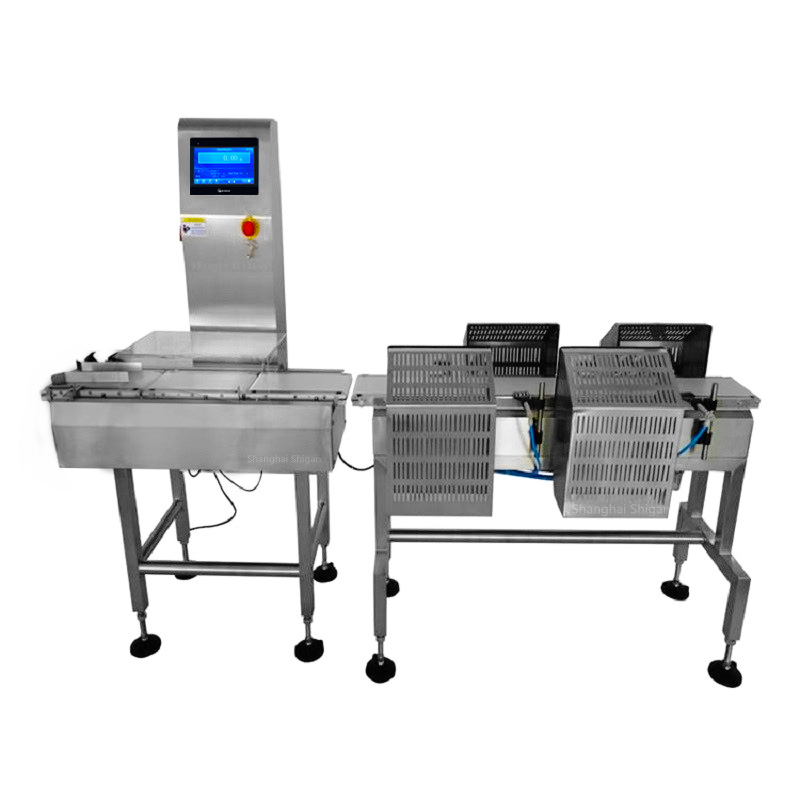
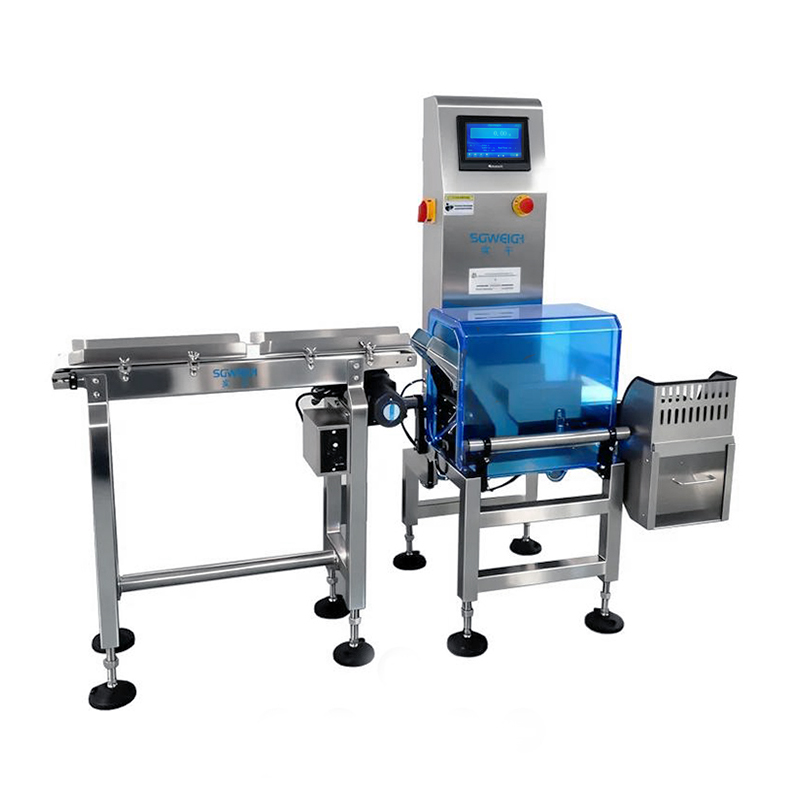
How Do I Choose the Right Food Metal Detector?
Selecting the right food metal detector is a critical decision for any food manufacturer aiming to ensure product safety, maintain compliance, and protect brand reputation. With a wide range of systems available, choosing the most suitable solution requires a clear understanding of your product characteristics, production environment, and inspection requirements.
1. Understand Your Product Type and Characteristics
The first step in choosing a food metal detector is evaluating the type of products you process. Different foods interact with detection systems in unique ways.
Dry products (e.g., snacks, grains) are easier to inspect with high sensitivity
Wet or high-salt products (e.g., meat, cheese) can create “product effect,” which may reduce detection accuracy
Frozen foods may require specialized calibration due to temperature variations
For challenging applications, selecting a high sensitivity food metal detector with multi-frequency or advanced digital signal processing is essential to maintain stable detection performance.
2. Consider Packaging Material
Packaging plays a major role in determining the type of detection system required.
Non-metallic packaging (plastic, paper) is ideal for a food processing metal detector
Metalized film or aluminum foil packaging can interfere with detection signals
If your products are packaged in foil, a traditional food metal detector may not be effective, and alternative inspection technologies such as X-ray systems should be considered.
3. Evaluate Required Sensitivity Levels
Sensitivity defines the smallest metal particle a detector can identify. The right level depends on your industry standards, risk tolerance, and product size.
High-risk products require high sensitivity detection
Smaller product sizes generally allow for better detection accuracy
Aperture size (the opening of the detector) also affects sensitivity
Choosing a high sensitivity food metal detector that balances precision with minimal false rejects is key to maintaining both safety and productivity.
Match the Detector to Your Production Line
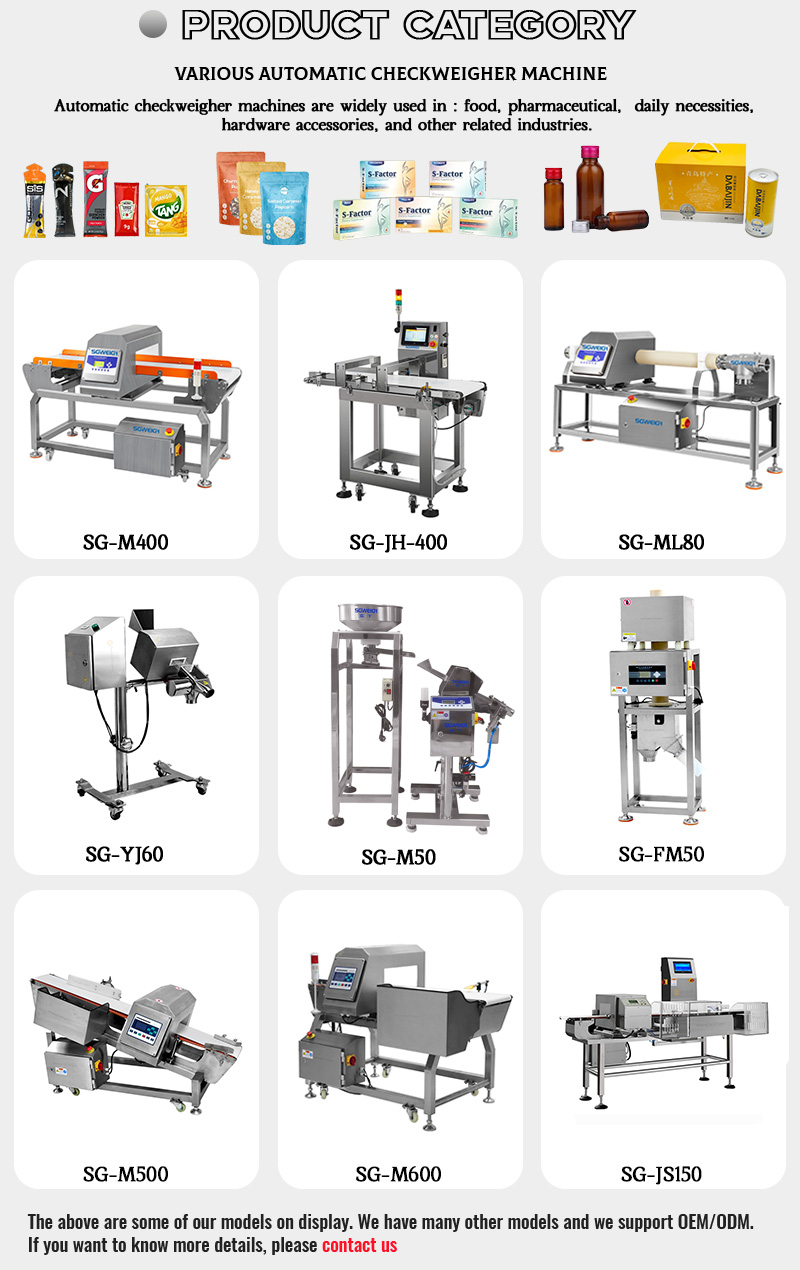
Food metal detectors are available in different configurations to suit various production setups:
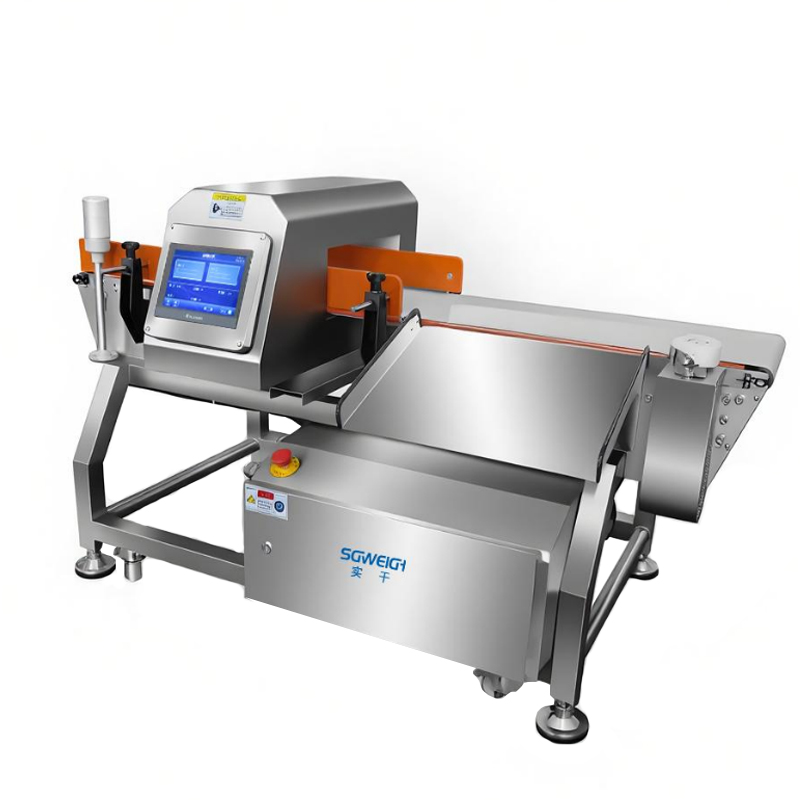
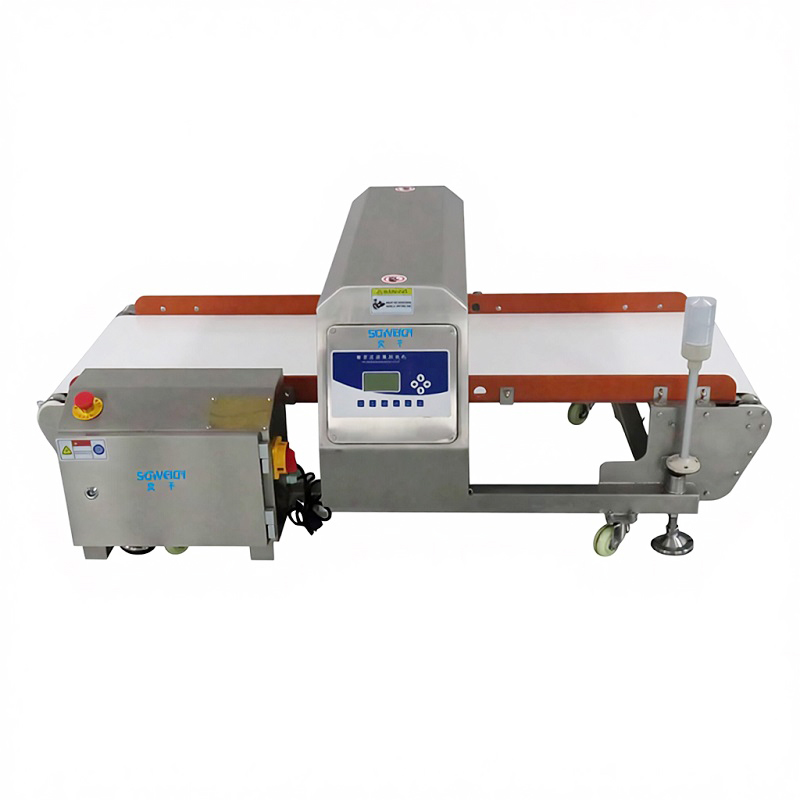
Conveyor food metal detector systems for packaged or bulk products
Pipeline systems for liquids, pastes, and slurries
Gravity-fed systems for powders and grains
An inline metal detector for production line ensures seamless integration with your existing line speed, product flow, and automation requirements. An inline food metal detector is ideal for continuous inspection without disrupting operations.
Check Compliance and Certification Requirements
Food safety regulations vary by region and industry, but most manufacturers must comply with recognized standards such as:
HACCP (Hazard Analysis and Critical Control Points)
BRC (British Retail Consortium)
FDA guidelines
Choosing an industrial food metal detector that meets these standards ensures smoother audits and reduces compliance risks.
Assess Environmental and Operational Conditions
The operating environment can significantly impact detector performance and durability.
Washdown environments require waterproof and corrosion-resistant designs
High vibration areas may need additional stabilization features
Temperature fluctuations can affect sensitivity and calibration
Selecting a robust industrial food metal detector designed for your specific conditions ensures long-term reliability.
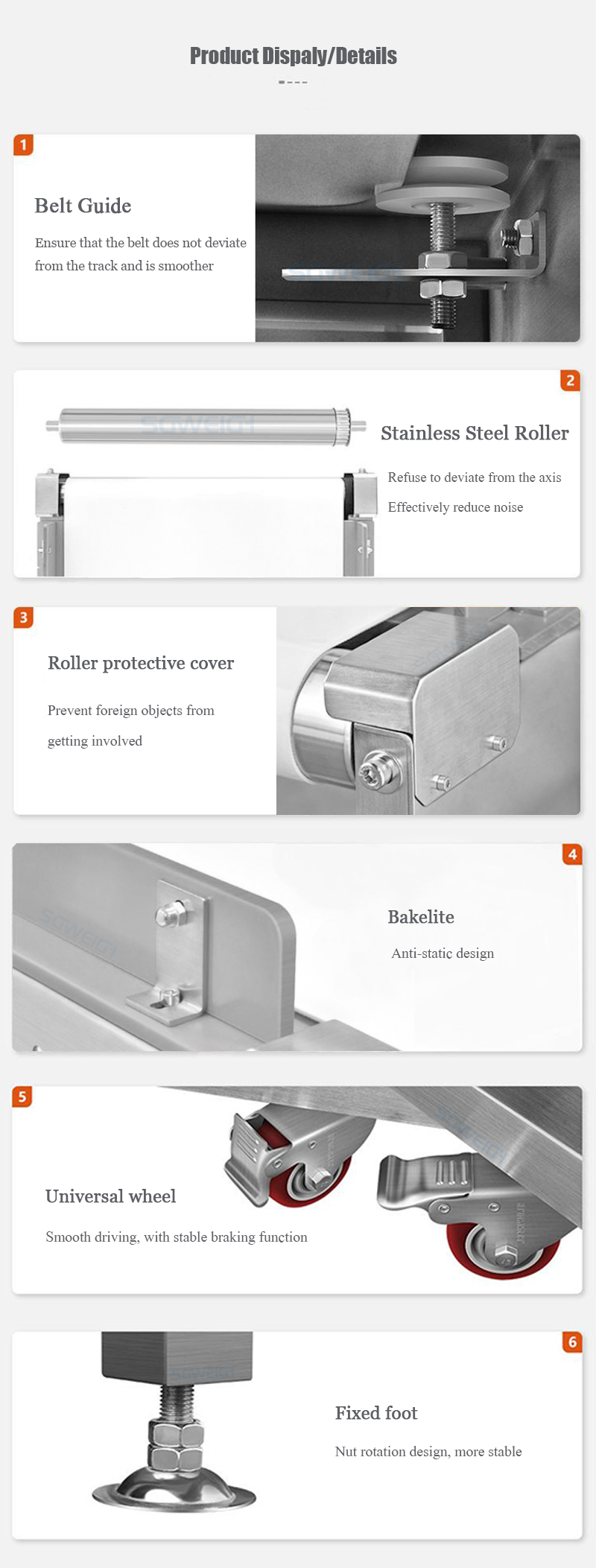
Look for Advanced Features and Automation
Modern systems, including the automatic metal detector for food, offer intelligent features that enhance efficiency and ease of use:
Automatic product learning and calibration
Multi-frequency detection technology
Data logging and traceability for audits
Integrated rejection systems (air blast, push arm, drop flap)
Automation not only improves detection accuracy but also reduces operator error and labor costs.
Consider Maintenance and Long-Term Support
A reliable food metal detector should be easy to maintain and supported by a responsive service team.
1. Routine calibration and testing should be simple
2. Spare parts and technical support should be readily available
3. Software updates and system upgrades should be accessible
Investing in a system with strong after-sales support helps maximize uptime and return on investment.
Choosing the right food metal detector requires a comprehensive evaluation of your products, packaging, production environment, and compliance needs. By focusing on sensitivity, system compatibility, and advanced features, manufacturers can implement an effective inspection solution that enhances food safety and operational efficiency.
A well-chosen food metal detector not only prevents contamination but also strengthens brand trust and ensures long-term business success. SGWEIGH has over 17 years of experience in manufacturing metal detector machines. Provide multiple digital metal detector solutions free of charge, tailored to your specific needs! Welcome to contact us!